+91-8009097799

Mustard oil holds a significant place in Indian kitchens, cherished not just for its pungent aroma and distinctive flavor but also for its health benefits and cultural heritage. However, in today’s market flooded with countless cooking oils, finding pure and authentic mustard oil can prove challenging. Diluted oils, chemically treated substitutes, and adulterated products are rampant, compromising both taste and health. Knowing how to spot genuine mustard oil is essential to safeguard your family’s well-being and enjoy the full benefits of this treasured oil. In this blog, we share practical, expert tips and tricks to help you identify pure mustard oil with confidence.
Before diving into the detection tips, it’s important to understand why purity is key. Authentic mustard oil is traditionally cold-pressed, retaining vital nutrients, antioxidants, and its natural pungency. Adulterated oils—often mixed with cheaper vegetable oils or treated with chemicals—lose these qualities and may even introduce harmful substances into your diet. Using pure mustard oil ensures you receive all the health benefits, such as improved heart health, better digestion, and stronger immunity, not to mention superior flavor that elevates your dishes.
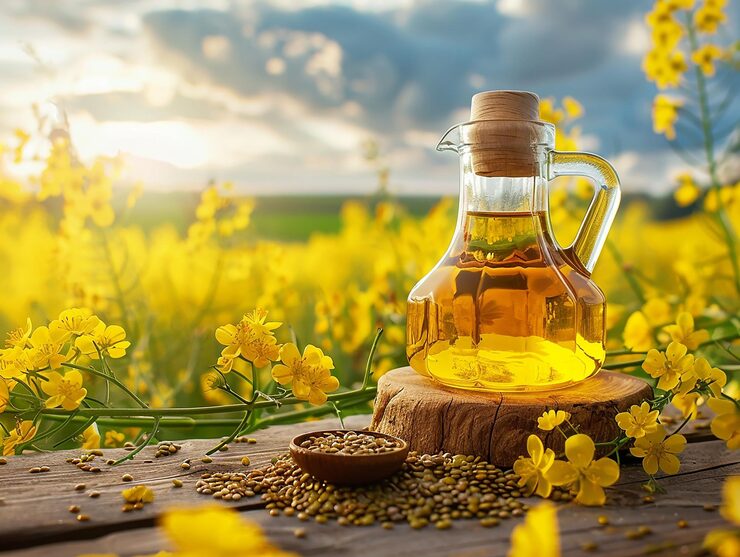
Pure mustard oil typically has a rich, golden yellow to deep amber hue, depending on the mustard seed variety and processing method. It should be clear and free of sediments or cloudiness. If the oil appears unusually pale, too dark, or has visible impurities, that can indicate poor quality or adulteration.
While color can vary naturally, if you see stark inconsistencies between batches from the same brand, be cautious. Also, if the oil solidifies quickly at room temperature into a waxy or clumpy residue, it may have been mixed with cheaper saturated oils like palm oil.
Mustard oil is famous for its sharp, pungent aroma—a telltale sign of genuine oil extracted from mustard seeds. After opening a bottle, take a gentle sniff: authentic oil has a strong yet fresh mustard scent that can be slightly spicy or biting.
If the oil smells bland, musty, or chemically sharp (like paint thinner or solvents), it’s a strong indicator of adulteration or improper processing. Some manufacturers deodorize oils to mask off-odors, resulting in degraded product quality.
If safe and practical, a small taste test is one of the most direct ways to verify purity. Pure mustard oil will taste robust, slightly bitter, and peppery with a warming sensation on the tongue. Deliberately diluted or chemically treated oils tend to lack this complexity, often feeling bland or excessively oily without the characteristic bite.
However, avoid swallowing large amounts of raw oil and test only a drop with discernment. If the taste is unpleasantly harsh or chemically strange, discard it.
Labels offer vital clues to authenticity. Genuine mustard oil brands proudly declare “100% cold-pressed” or “cold-extracted,” indicating minimal heat use that preserves nutrients. Avoid oils labeled “refined,” “bleached,” or “deodorized”—these terms suggest heavy processing that strips natural properties.
Look for certifications like FSSAI approval and organic labels if applicable. Also, trustworthy brands are transparent about ingredients, production methods, and sourcing rather than vague or overly promotional claims.
Pure mustard oil is often sold in dark glass bottles or high-quality PET plastic containers designed to protect the oil from light and air, which cause rancidity. Cheap or damaged packaging may indicate compromised oil quality.
Ensure the bottle has a tamper-evident seal and a batch number or manufacturing date. Avoid purchasing oils from unsealed containers or loose dispensers in markets, as these can be prone to contamination or mixing.
High-quality cold-pressed mustard oil requires careful processing and naturally costs more than refined or blended oils. If the price is suspiciously low compared to market norms, it is likely diluted or fake.
While price alone is not a foolproof indicator, pairing it with other tests such as aroma, appearance, and labeling helps form a clearer picture.
A popular traditional test to check mustard oil’s purity is the heating method. Pure mustard oil tends to heat evenly and releases its characteristic mustard aroma without producing excessive smoke or a burnt smell. Overheating or chemical adulterants can cause abnormal smoke or an acrid odor.
Another simple test is the fire test: place a small drop of oil on a metal spoon and ignite it. Pure mustard oil burns with a clear flame and leaves minimal residue, while adulterated oils may sputter excessively or leave a sticky residue due to additives.
Finally, one of the best ways to ensure purity is purchasing mustard oil from trusted, reputable brands known for quality and transparency. Soul Press Naturals, for instance, specializes in 100% cold-pressed oils with no chemical additives, sourced and processed traditionally to maintain authenticity.
Buying from established vendors, verified online stores, or organic markets reduces the risk of adulteration compared to street vendors or unknown brands.
It’s helpful to know what kinds of substances are often mixed into mustard oil. Common adulterants include palm oil, soybean oil, and cheaper refined oils. Some producers may add cheaper mustard seeds or use expeller pressing with heat that degrades quality but passes as mustard oil.
Chemicals like mineral oils, bleaching agents, or solvent residues are illegally added in pockets, making it necessary to rely on sensory and labeling checks alongside trusting established brands.
In an era where food adulteration poses a real threat, understanding how to identify pure mustard oil is essential for protecting health and preserving culinary tradition. By using your senses—sight, smell, and taste—coupled with checking labels, packaging, and trusted sources, you’ll be empowered to make informed choices.
Pure, cold-pressed mustard oil is not just fuel for cooking; it’s a treasure trove of nutrients supporting heart health, digestion, and skin wellness. When purchased and used wisely, it enriches meals and nurtures families naturally.
Put these tips into practice the next time you shop and reconnect with the authentic flavors and benefits of genuine mustard oil. Your kitchen—and body—will thank you.
WhatsApp us