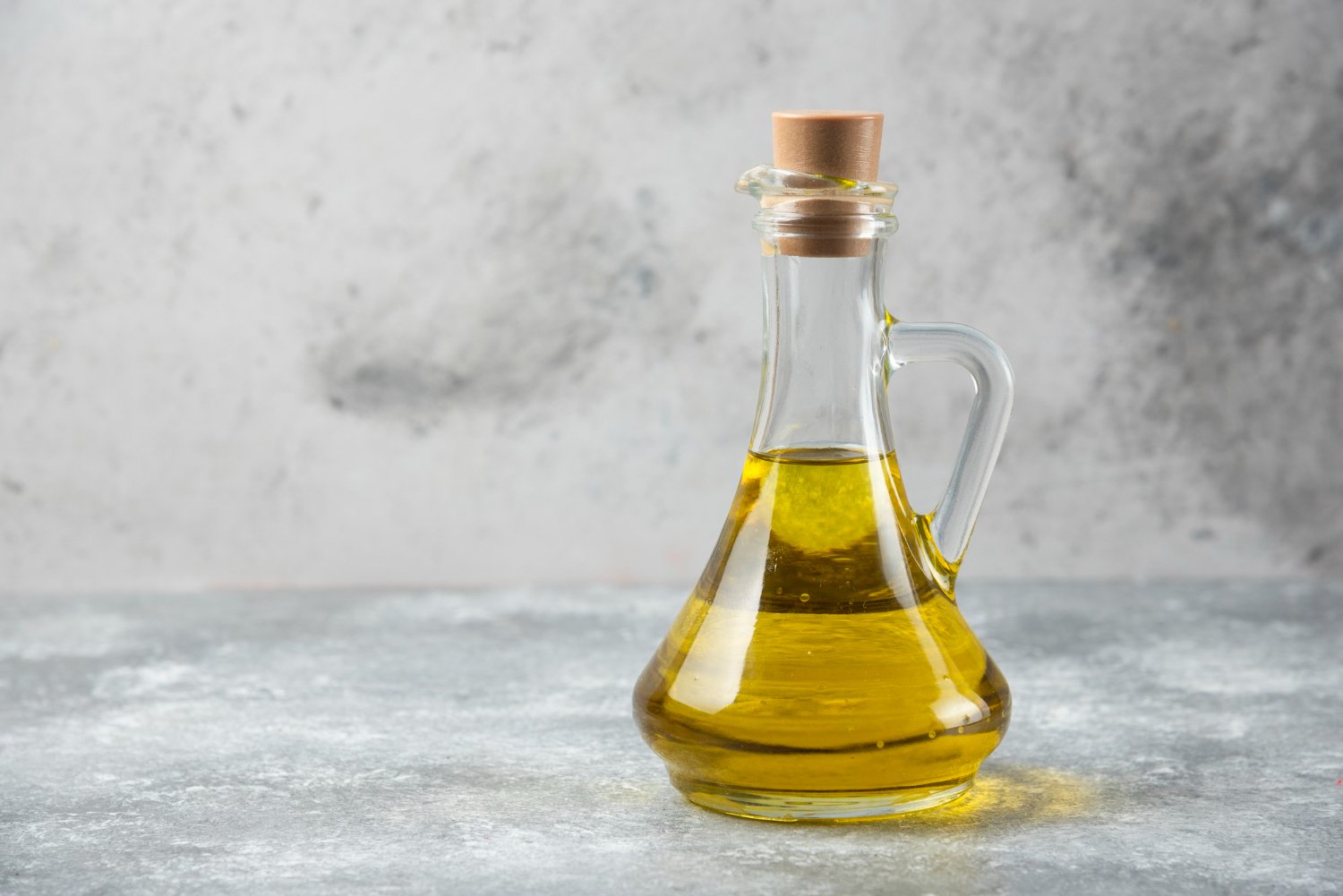
Mustard oil is more than just a cooking medium in many households; it’s a symbol of tradition, flavor, and nutrition. Among the varieties available on the market, black mustard oil and yellow mustard oil stand out as the most popular choices, each boasting distinct characteristics that influence taste, aroma, and health benefits. Choosing between black and yellow mustard oil can sometimes seem daunting, especially if you are keen on making the healthiest and most flavorful decision for your kitchen.
In this comprehensive blog, we will explore the differences between black and yellow mustard oils—from their origins and flavor profiles to their nutritional content and culinary uses—empowering you to select the perfect mustard oil that suits your taste buds and nutritional needs.
Origins and Seed Differences
The two main varieties stem from different mustard seeds:
- Black Mustard Seeds (Brassica nigra): Native to the Mediterranean region and grown extensively in India, black mustard seeds are smaller and more pungent. They are traditionally prized for their strong flavor and higher oil content.
- Yellow Mustard Seeds (Sinapis alba): Also known as white mustard seeds, these seeds are lighter in color, milder in taste, and primarily cultivated in Europe and North America but also grown in parts of India. They produce a gentler mustard oil compared to black seeds.
The color difference between the seeds translates directly into the flavor, aroma, and even the nutritional value of the extracted oils.
Flavor Profiles: Bold vs Mild
One of the most distinct differences between black and yellow mustard oils is their flavor intensity:
- Black Mustard Oil: It boasts a sharp, pungent aroma with a spicy, slightly bitter undertone that adds depth and warmth to dishes. The flavor is robust and can dominate milder ingredients, making it perfect for hearty, traditional Indian cooking styles like Bengali or Rajasthani cuisines.
- Yellow Mustard Oil: It presents a softer, more subtle flavor with a hint of sweetness and a milder pungency. It is less overwhelming on the palate and works well in everyday cooking, salad dressings, and dishes requiring delicacy in taste.
Food enthusiasts often select black mustard oil when aiming for that quintessential fiery kick, whereas yellow mustard oil fits well when a lighter mustard essence is preferred.
Nutritional Comparison: Both Rich Yet Distinct
Mustard oil, regardless of variety, is a powerhouse of health benefits, but there are slight variations in their chemical composition.
- Black Mustard Oil:
- Richer in allyl isothiocyanate, the compound responsible for the characteristic pungency as well as potent antimicrobial and anti-inflammatory properties.
- Contains higher levels of monounsaturated fatty acids, specifically oleic acid, which supports heart health.
- Slightly higher antioxidant content due to phenolic compounds that help combat oxidative stress.
- Known for its warm, stimulating effects traditionally used in massage therapies and holistic health.
- Yellow Mustard Oil:
- Has a milder concentration of allyl isothiocyanate, leading to gentler sensory stimulation.
- Contains a balanced ratio of omega-3 and omega-6 fatty acids, essential for brain and cardiovascular health.
- Provides good vitamin E content that supports skin and immune health.
- Preferred for people who are sensitive to strong flavors but still want the health benefits of mustard oil.
Both oils are free from harmful trans fats when cold-pressed and packed with nutrients that aid in reducing bad cholesterol, improving digestion, and offering antimicrobial benefits.
Culinary Uses: Where Each Shines
From frying to pickling, both oils have their place, but their suitability depends on cooking style and flavor preferences.
- Black Mustard Oil:
- Ideal for high-heat cooking such as deep frying and tempering (tadka).
- Complements traditional dishes that require a bold taste, like fish curry, pickles, lentils, and stir-fries.
- Excellent for robust marinades and sautéing aromatic spices.
- Yellow Mustard Oil:
- Well-suited for dressings, light sautéing, and drizzling over cooked foods.
- Favored for making mild pickles and mayonnaise-style condiments.
- preferred in recipes where a gentle flavor and aroma are desired, such as vegetable stir-fries and salads.
Experimenting in the kitchen by alternating both oils can bring an exciting range of flavors and textures to your meals.
Shelf Life and Storage
Both oils have a comparable shelf life when stored properly in cool, dark places away from sunlight. Cold-pressed black mustard oil may darken faster due to its richer antioxidant profile but remains safe and potent if sealed correctly.
Using dark glass bottles, as done by brands like Soul Press Naturals, helps preserve freshness and nutrient content in both mustard oil varieties.
Which Should You Choose?
- Opt for black mustard oil if you enjoy intense flavors and wish to harness powerful antimicrobial and anti-inflammatory properties. It’s perfect for traditional Indian households looking for authentic cooking experiences and robust health benefits.
- Choose yellow mustard oil if you prefer a milder taste that integrates seamlessly with a variety of cuisines while still offering nutritious benefits. It’s ideal for sensitive palates and versatile cooking.
For those undecided, keeping both oils handy can be a delightful culinary strategy—black for dishes requiring boldness and yellow for subtlety.
Conclusion
Mustard oil, whether black or yellow, is a nutritional treasure boasting rich health benefits and enchanting flavors rooted in centuries of culinary heritage. Understanding their differences allows you to tailor your cooking and health choices precisely. By selecting high-quality, cold-pressed oils that honor purity and tradition, such as those from Soul Press Naturals, you can experience the best of both worlds—flavorful, authentic meals and holistic wellness.
Embrace the power of mustard oil in its variety, and let your kitchen be a celebration of health, heritage, and taste.