+91-8009097799
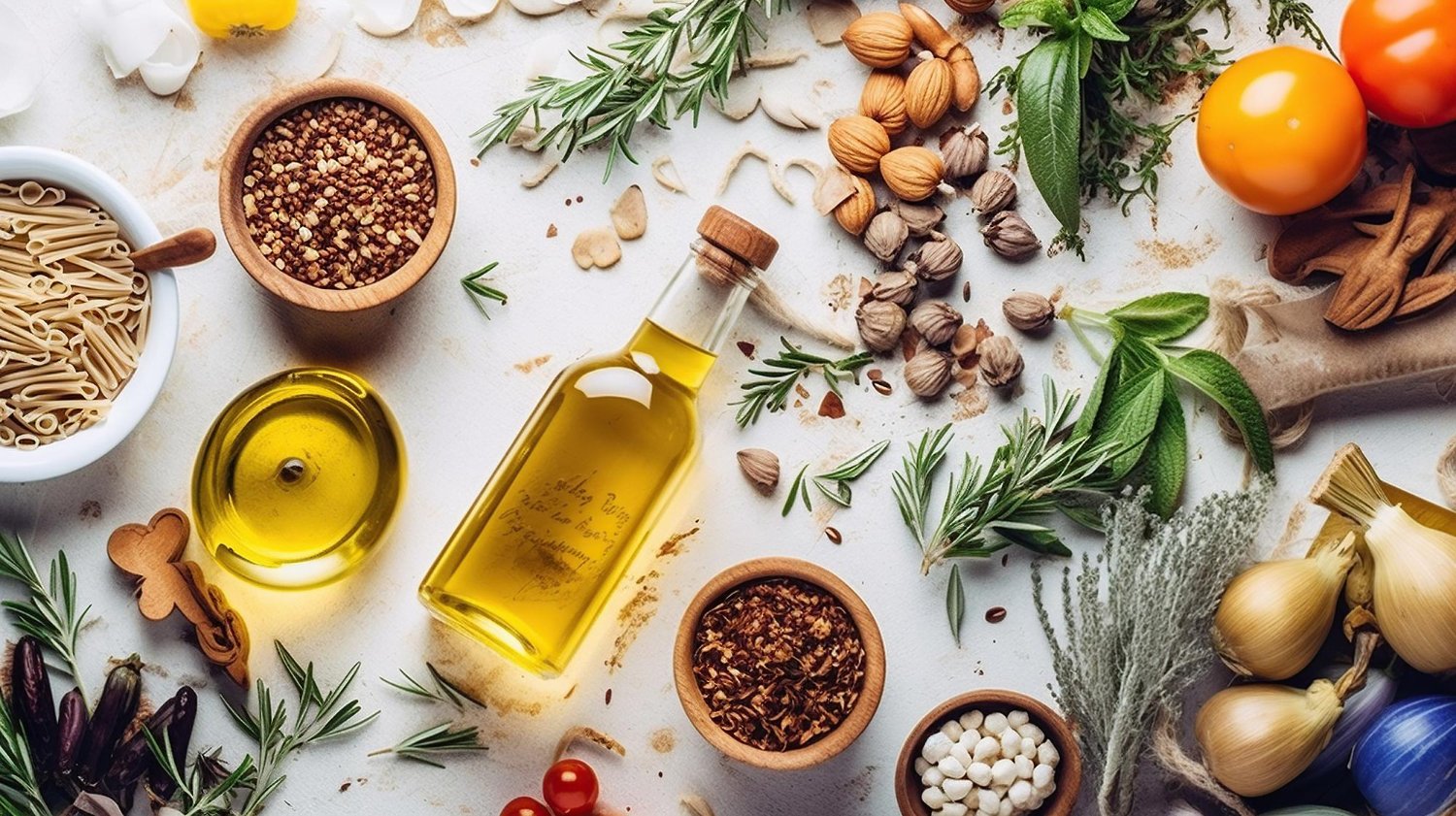
In the quest for healthier eating and natural living, the choice of edible oil has become more critical than ever before. Among the many options available, oils produced through cold pressing and expeller pressing are often discussed, with cold pressing gaining significant attention for its nutritional superiority. This blog delves into the fundamental differences between cold pressing and expeller pressing extraction methods and explains why cold pressing is widely regarded as the better process for preserving the nutritional quality of oils.
Understanding the difference between cold pressing and expeller pressing requires a grasp of how each method extracts oil from seeds or nuts.
Cold Pressing is a mechanical extraction process that involves crushing mustard seeds (or other oilseeds) at low temperatures, typically below 50°C (122°F). The idea is to extract oil without applying heat or chemical solvents. This gentle technique helps maintain the oil’s natural aroma, flavor, and nutritional compounds.
Expeller Pressing, on the other hand, uses a mechanical screw press that generates friction and heat, often reaching temperatures between 100°C to 140°C (212°F to 284°F). While no chemical solvents are used, the heat produced during pressing can alter oil quality by breaking down heat-sensitive nutrients and affecting flavor.
Both methods avoid chemical refining but differ markedly in their impact on oil quality, taste, and health benefits.
Heat is a critical factor in oil extraction. While higher temperatures may increase oil yield, they often come at a cost to the oil’s integrity.
During expeller pressing, the heat generated by friction and pressure can degrade essential fatty acids, vitamins, and antioxidants present in the raw seeds. For instance, vitamin E, a potent antioxidant that protects cells from damage, is heat-sensitive and can be diminished significantly by high processing temperatures.
Cold pressing, by maintaining low temperatures, preserves heat-sensitive compounds including polyphenols, sterols, and omega fatty acids. These compounds contribute to the oil’s health-promoting properties such as anti-inflammatory effects, heart health benefits, and skin nourishment.
Thus, avoiding heat ensures that cold-pressed oils retain a fuller nutrient profile and the natural essence of the seed.
One of the biggest advantages of cold-pressed oils is their superior nutrient retention compared to expeller-pressed oils.
Cold-pressed mustard oil is rich in:
Expeller pressing, with its heat, can compromise many of these nutrients. Research shows that oxidative degradation accelerates at high temperatures, lowering antioxidant levels and sometimes producing harmful trans fats in inferior processing scenarios.
Cold-pressed oils bring the closest experience to the fresh, unaltered seed—delivering maximum nutritional value.
Beyond nutrition, cold pressing retains the distinct flavor and aroma of mustard seeds, an important aspect for culinary enjoyment and traditional recipes.
Cold-pressed mustard oil carries a sharp, pungent, and slightly spicy aroma, enhancing the taste of dishes authentically. This strong, natural flavor is prized in Indian and regional cooking.
Expeller-pressed oils, due to the heat, often have a muted or altered flavor. Sometimes manufacturers refine or deodorize these oils to remove “off-flavors” caused by heat, resulting in bland or neutral oils that lose their unique character.
For aficionados of traditional cooking, cold-pressed oil delivers an unparalleled sensory experience—the smell and taste tell a story of purity and heritage.
Cold pressing is often considered more sustainable. It avoids chemical solvents and harsh refining processes, producing oil that is free from contaminants. The method is energy-efficient since it avoids the need for further heating or chemical treatment.
Though cold pressing may yield slightly less oil compared to the expeller process, the quality often compensates. Consumers willing to pay a premium for nutrient-rich, flavor-packed oils drive demand for cold-pressed varieties.
Small-scale and artisan producers often use cold pressing techniques, preserving biodiversity and supporting local economies.
It’s important to note that expeller pressing is not inherently bad—it’s a legitimate mechanical extraction method that produces oils suitable for many applications, especially where cost efficiency or shelf life is a priority.
For industrial-scale production or oils used in processed foods, expeller pressing offers a practical balance of yield and performance. However, when health and quality are paramount, cold-pressed oils are preferable.
When purchasing oils, look for labels specifying “100% cold-pressed” or “cold-extracted.” Avoid terms like “refined,” “bleached,” or “deodorized,” which indicate heavy processing and potential heat exposure.
Trusted brands are transparent about their extraction methods and provide certification or lab test results to validate purity.
Cold pressing is the gentlest, safest way to extract edible oils that retain the natural nutrients, flavor, and health benefits of seeds like mustard. By avoiding heat and chemicals, cold pressing produces healthier oils packed with essential fatty acids, antioxidants, and vitamins—making it the superior choice for conscious consumers.
Expeller pressing, while effective and common, compromises sensitive nutrients and alters flavor due to high temperatures. Choosing cold-pressed oils supports better heart health, digestion, and overall well-being, enriching both kitchen and lifestyle.
By understanding these extraction methods and appreciating the value of cold pressing, consumers can make informed decisions and enjoy the purest, healthiest oils nature has to offer. When it comes to mustard oil and other edible oils, cold pressing truly stands apart—delivering purity and nutrition in every drop.


WhatsApp us